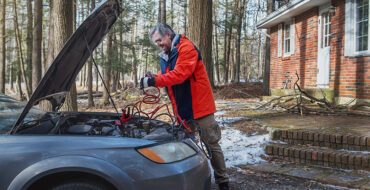
Whether you’re a first-time car owner or an experienced DIY mechanic, dealing with a dead car battery is always a nuisance. But how can you tell if the battery needs more than just a boost for you to get back on the road?
Let’s go over some common symptoms of a dead battery, how to inspect and test your battery, and what to do if jump-starting doesn’t bring it back to life.
Symptoms of a Dead or Weak Battery
If your battery is dead or dying, you’ll likely notice a change in your car’s performance. These are some common indicators:
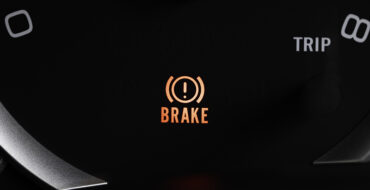
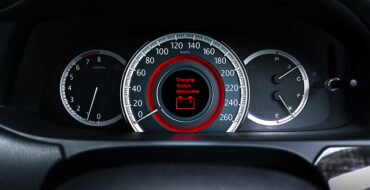
- The battery warning light turns on
- The starter makes a loud thunk or ticking sound
- The dome light won’t turn on
- The engine won’t crank or is slow to crank
- The headlights are dim or flickering
- The dashboard or radio isn’t functioning properly
- The electronic windows aren’t working
- The charging ports have no power
Is It the Alternator?
The alternator generates electricity to power your vehicle, so there’s a chance that it, and not the battery, is the source of the problem.
If your car frequently needs a jump start to get going or the check engine light keeps coming on, the alternator may not be working properly.
The alternator belt could also be worn, loose, or slippery and therefore unable to drive the alternator and keep your battery charged. If it’s out of place, you may hear a squealing sound when the engine is running. You can find the alternator belt on the front of your engine. Look for any signs of wear, contamination, or weak tension.
Visual Inspection
If your car is showing signs of a weak battery, start by checking whether you’ve left any accessories on for a long time (e.g., your headlights). Then pop open the hood and do a visual inspection. Look for anything out of the ordinary, including:
- Corrosion
- Loose terminals
- A warped/swollen battery case
- Cracks in the battery case
- Leaking battery acid
If you notice any cracks, leaks, or swelling, the battery needs to be replaced. Do not try to recharge it.
If you only see corrosion, start by disconnecting the battery and cleaning it with battery cleaner and a battery terminal brush. After a solid clean, you can move forward with testing and recharging your battery.
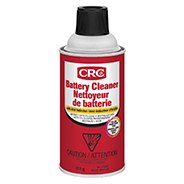
CRC Battery Cleaner
14.29 $
Buy Now

Battery Terminal Brush
Starting at 6.99 $
Buy Now
If the battery terminals are loose, you can clean them if they’re dirty and tighten them. Be careful—applying too much torque can damage the terminals. Test your battery’s voltage to be sure the problem is solved.
If your battery has removable fluid caps, you can remove them and add distilled water if the fluid level is low. Be careful not to overfill the battery, and use distilled water only (not filtered drinking water).
Keep a portable light in your car in case you need to check your battery on the road.

Prime-Lite 2-Piece Roadside Assistance Light Set
15.69 $ 13.69 $
Shop Now
Testing the Voltage
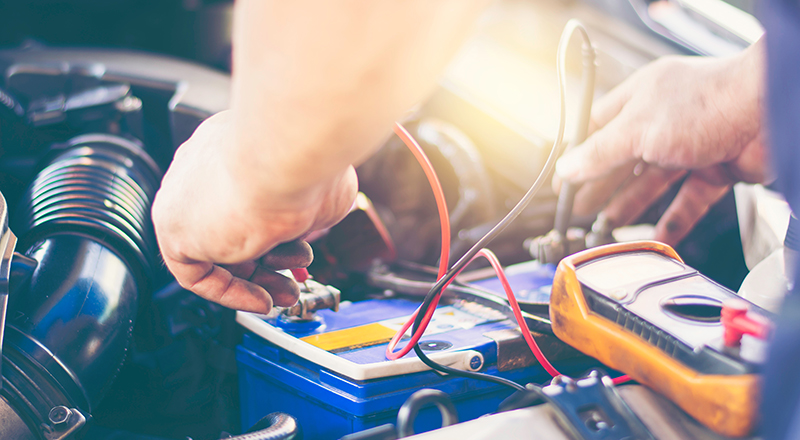
If your battery passes a visual inspection, you can continue assessing it by testing the voltage. You’ll need a digital multimeter for this.
When the ignition is off, a healthy battery should read 12.6 V or higher. If your battery reads between 12 and 12.4 V, you can recharge it with your vehicle’s alternator.
If the battery registers less than 12 V, it’s considered dead. You won’t be able to revive it with the alternator at this point. Instead, connect the battery to a jump starter or battery charger before or right after doing a jump start. You can read more about the different types of car battery chargers here.
Check out this article for a full guide on safely recharging a dead battery.
You can also assess the alternator with a multimeter. With the ignition on, check the voltage of the battery. If it reads below 14.06 V, have it assessed by a professional.

Multimeter
Starting at 34.89 $
Buy Now

NAPA Carlyle Jump Starter
Starting at 233.99 $
Buy Now
If Your Battery Still Isn’t Working . . .
If your battery still won’t hold a charge of at least 12.6 V after being jump-started and charged, you may be looking at a more serious issue. The battery will most likely need to be replaced. You can find a wide selection of batteries on www.NAPACanada.com. Enter your vehicle information at the top left corner of the page to be matched with batteries guaranteed to fit.
If the battery charges fine but drops below 12.6 V when you turn the car on, there may be a problem with your car’s charging system.
In either of these cases, bring your vehicle to a NAPA AUTOPRO service centre to have your battery and charging system tested by a professional.
If your battery needs replacing, you can follow this guide to do it yourself or get help from a NAPA mechanic. If there’s an issue with your car’s charging system, we recommend seeking help from an experienced mechanic.
Maintaining Your Battery
The best way to avoid premature battery failure is to keep up with regular maintenance. You may not be able to prevent every possible issue, but keeping your vehicle’s battery in good shape can help you prolong its overall lifespan.
If you have any questions about battery maintenance, speak to an expert at a NAPA Auto Parts store.
For more automotive tips and DIY guides, check out our blog.

NAPA Carlyle Battery Maintainer
Starting at 66.99 $
Shop Now


 Author:
 No comments