
Women have been part of the automotive world since the early days of the industry, yet many of their contributions have been left out of the history books. In honour of International Women’s Day, here are five women who helped change the automotive world.
Women in Automotive History

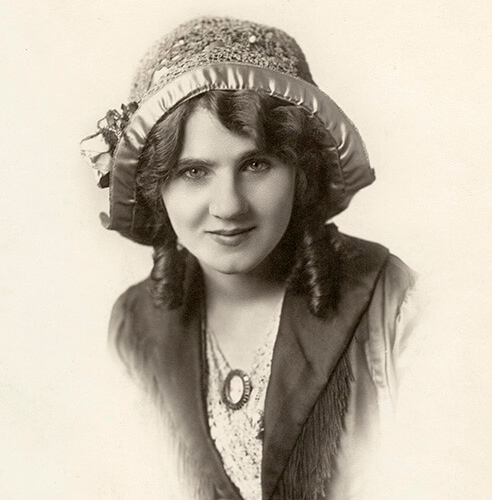
Florence Lawrence
Florence Lawrence was born in Hamilton, Ontario, to Charlotte Bridgwood. Lawrence was an actress; however, in addition to her film career, she was an automobile enthusiast. She owned her own car and was fond of fixing and improving it.
In 1914, Lawrence invented the “auto signalling arm,” the world’s first turn signal. It was mounted on the car’s fender and activated with the push of a button to indicate which way the driver was turning. She also created the world’s first brake lights, which allowed a sign to rise and lower when the driver pressed on the foot brake.
Mary Anderson
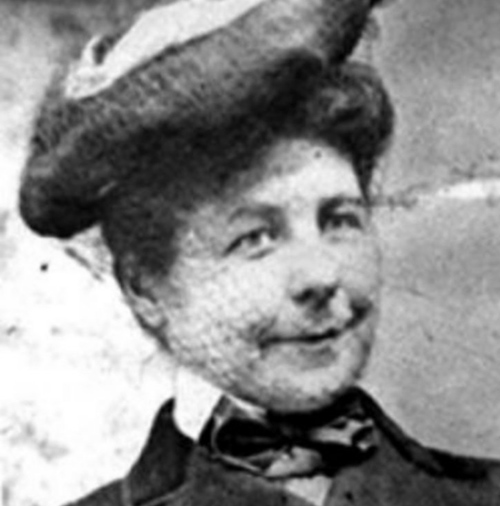
Mary Anderson invented the first windshield wipers when she noticed that drivers often had to open their window to see out or stop the car to wipe off the window when it snowed.
In 1903, she received a patent for her invention: a spring-loaded arm with a rubber blade activated by a lever inside the car. At first, many assumed the swinging arm would distract drivers; however, shortly after her patent ran out, windshield wipers became a standard feature on most automobiles.
Women continued leading the charge in windshield wiper technology when Charlotte Bridgwood (yes, Lawrence’s mother) expanded on Anderson’s idea and invented automatic windshield wipers.
Dorothy Levitt
Dorothy Levitt was one of Britain’s first female race car drivers and the inventor of the rear-view mirror. Levitt started driving in 1903 and shocked everyone with her natural driving ability. She set many racing records for women and became a media sensation.
In 1909, she published The Woman and the Car: A Chatty Little Handbook for All Women Who Motor or Who Want to Motor, in which she suggested ladies carry a hand mirror with them to look behind while driving, the first known use of a rear-view mirror.
Margaret Wilcox
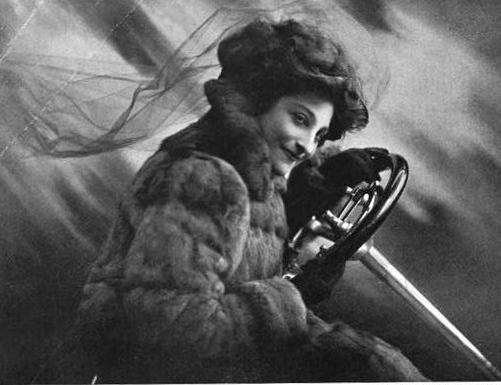
Margaret Wilcox was an inventor whose most successful invention was the first car heater. Her heater worked by running a channel of air through the engine and sending it back to the passengers. She received a patent for her idea in 1893—the first patent she was legally able to file as a woman under her own name, not her husband’s.
Bertha Benz
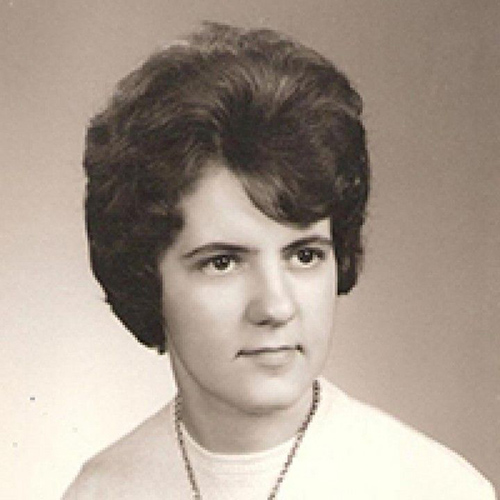
Bertha Benz was the wife of Karl Benz, inventor of the first car. Bertha funded her husband’s inventions and was the first person to ever travel a long distance by automobile.
When Karl Benz completed his first automobile, people were skeptical about its use. To solve this problem, Bertha borrowed one of the cars while her husband was asleep and left to visit her mother, 96 kilometres away. During the 13-hour journey, Bertha had to make several repairs to the car, including using her garter to fix the ignition, and a hat pin to clean a fuel pipe. When she reached her mother’s house, she telegraphed her husband, informing him of the successful journey.
The trip, as Bertha had intended, received a lot of attention, sparking public interest for Karl Benz and his invention, and ensuring the success of the automobile.

Changing the world
Without these amazing women, automotive technology would not be where it is today. Each deserves to be recognized for her contributions to the current, and continuously improving, automotive world.
 Author:
 No comments