
The days are getting longer, the snow is melting, and you’re wondering if it’s time to ditch the winter tires. Canadian springs are unpredictable, so you can never be certain when that last snowstorm will roll through. However, waiting too long to swap from your winter tires can cause unnecessary wear, reduced safety, and lower fuel efficiency. Here’s what you need to know to properly time your seasonal swap.
When to Switch to Spring Tires
What Is the 7 °C Rule?
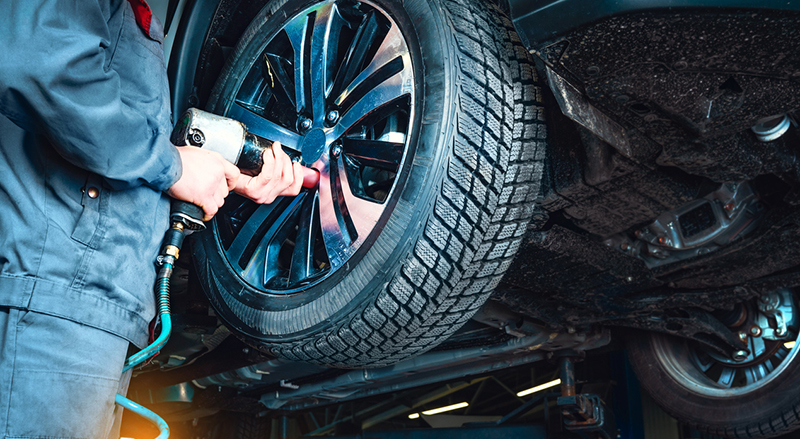
As a general guideline, temperatures should consistently be above 7°C for several days before you swap to your spring tires. The keyword here is “consistently.”
Even if there’s an uncharacteristically warm week in February, you can’t guarantee that another snowstorm won’t roll through. Across Canada, late March to early May is a typical timeframe for when you can take off your winter tires, but exact timing varies by region. For example, Quebec’s mandatory snow tire window ends on March 15.
Find out when you should change your tires based on where you live for a deeper regional breakdown.
What Happens If I Wait Too Long to Switch?
Winter tires are softer by design, which helps them grip in cold and snowy conditions. However, warm pavement can accelerate wear and tear. Their softer rubber also creates more rolling resistance on warm pavement, reducing your fuel efficiency.
Tires designed for warmer weather grip not only dry, warm pavement better but also wet pavement.
Overall, procrastinating on your spring tire swap not only means you may be buying a new set of winter tires sooner than expected, but it can also impact your safety on the road.
Which Tires Should I Switch to in the Spring?
If you’re in the market for a new set this year, you have a few options.
Summer Tires
Summer tires offer the best performance and longevity in warm, dry, and wet road conditions. They are ideal for most Canadian drivers from April to October and should only be installed when daily temperatures are above the 7°C threshold.
All-Season Tires
All-season tires are a reasonable compromise for mild-climate regions (like Vancouver Island or the Lower Mainland) or for drivers who don’t want to manage two sets of tires. It’s important to note that all-season tires are technically three-season tires because they lose their grip in temperatures below 7 °C or in snow.
All-Weather Tires
The three-peak mountain snowflake symbol that indicates winter tires is also on all-weather tires. Unlike all-season tires, they can handle more serious cold and light snow, so some drivers in regions with unpredictable springs can use them all year round instead of needing a full seasonal tire swap.
How Should I Prep My Spring Tires?
Before swapping from your winter to spring tires, go through this quick checklist to make sure your spring set is ready for the road:
- Check the air pressure in each tire, because tires can lose roughly 1–2 psi of pressure per month while in storage.
- Inspect the tread depth and look for cracking or sidewall damage.
- Double-check how old your tires are using the last four digits of the DOT code printed on each tire’s sidewall (for example, “1022” means the tire was made in the 10th week of 2022).
- Complete a tire balancing service after the swap and consider an alignment check if you notice uneven tire wear or handling issues.
How Do I Properly Store My Winter Tires?
Proper storage ensures your winter tires will be in the best condition possible for your next seasonal tire swap. Once you’ve removed your winter tires, clean off any residual salt or grime, then seal them in airtight bags.
Make sure your tires are placed in a cool, dry location away from direct sunlight. Stack your unmounted tires horizontally. If your tires are mounted on rims, make sure you hang or stand them upright rather than stacking them to avoid damaging the rims.
Timing your spring tire swap right protects both your tires and your safety on the road. For questions about seasonal tire maintenance or choosing the right spring tires for your vehicle, visit your local NAPA Auto Parts store to speak with one of our automotive experts. You can also browse our wide tire selection at www.NAPACanada.com.
 Author:
 No comments