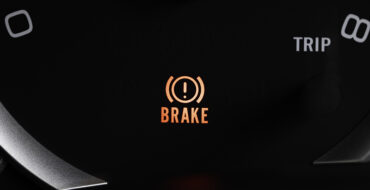

Winter creates brake problems that don’t necessarily happen in other seasons. While general brake maintenance applies year-round, cold, salt, and moisture cause specific symptoms in winter. This guide focuses on three brake issues that are common in Canadian winters.
Winter Brake Maintenance: What Parts to Inspect and Replace
Spongy Brake Pedal
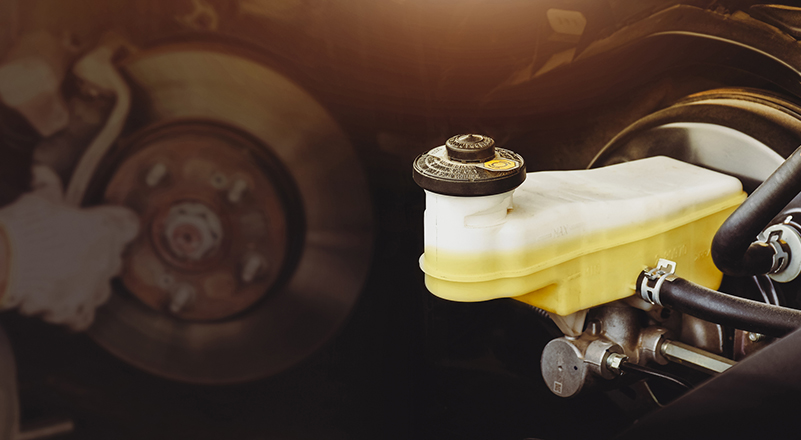
Winter in most parts of Canada involves snow, slush, rain, fog, and freezing rain in any combination, for any length of time. Although you can experience a spongy pedal any time of year, this excessive and long-term moisture creates a special climate that can have a much stronger effect on your braking system’s fluid.
Symptom: Your brake pedal feels soft or mushy and sinks lower than usual before your brakes engage.
Cause: Brake fluid absorbs moisture—water—from the air, which lowers its boiling point. When brake fluid boils under heavy braking, it creates vapor pockets that compress instead of transferring pressure, making your brakes ineffective.
Fix: A system flush allows you to put in fresh brake fluid and is the first step to locating any leaks you can’t see yourself. You may also want to inspect the master cylinder: failing seals can allow internal fluids leaks that reduce pressure in the braking system.
Rust on Rotors After Car Sits
You’ve spent the past week convalescing from the flu. When you approach your car, though, you notice rust on your rotors you swear wasn’t there last time you drove. Should you replace the rotors? Maybe, but maybe not. We’ll walk you through this.
Symptoms: Orange/brown rust appears on your brake rotors after your vehicle has sat outside, especially if a lot of snow, rain, or freezing rain has fallen.
Cause: The pressure from braking often cleans the rotors. When a car sits, even for a day, any moisture that has collected on the rotors can begin eating away at the metal. If your car can easily get sprayed by slush, salt may have accumulated, too, and sped up corrosion.
Fix: The fix here comes in two steps:
- If the rust appears to be a thin layer, it should wipe off after you’ve engagement the brake a few times while driving. The rotors should then return to their smooth, metallic appearance.
- If, however, the rust has caused deep pitting, or you see scoring, grooves, or even cracks in the rotor surface, replace it. The problem is structural and will interfere with safe braking. In some cases, you may be able to machine the rotor, but a rotor replacement is usually the best solution.
Car Pulls to One Side When Braking
Although this can happen any time during the year, if this symptom shows up mid-winter, salt, excess moisture, and cold temperatures may be the cause. In summer, alignment issues tend to be the culprit.
Symptom: Your vehicle veers left or right when you’re braking.
Cause: Caliper pins can seize from the combination of salt, moisture, and cold. Furthermore, salt corrodes the slide pin lubrication, and moisture can freeze around the pins when the temperature is cold enough.
Fix: Inspect caliper slide pins for corrosion. If caught early, they can often be cleaned and re-lubricated with high-temperature silicone grease. However, if pins are severely corroded or pitted, or if rubber boots are torn, replace them to prevent recurring problems.
Know When to Go…to the Garage
Cars should never “have personality” unless you’re referring to your crackly retro dial radio. Should you experience any of the above symptoms, investigate immediately. Winter is harsh on your brakes.
For inspection, parts, or advice on winter brake problems, visit your local NAPA Auto Parts store. If you’re uncertain about diagnosing or repairing these issues yourself, a NAPA AUTOPRO service centre will inspect and repair your brakes so driving is safe again.
 Author:
 No comments