
The guessing game of whether snow doesn’t land on the ground until fall’s official start date or after Christmas has begun. So, when do you prep your car for winter? As soon as possible to help prevent a winter emergency.
How to Prep Your Car for the Winter
Install Winter Tires
In some provinces, like Quebec, installing winter tires is the law, but in others, it isn’t. Don’t leave your appointment until the last minute. Otherwise, you may find yourself driving in slushy or icy conditions with your summer tires on.
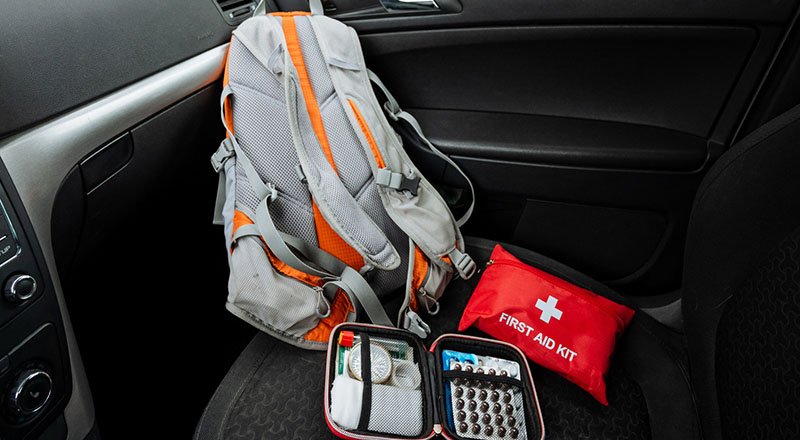
Update Your Emergency Car Kit
When was the last time you checked the supplies in your emergency car kit? Last year? Never?
Your emergency car kit should contain enough supplies to help with:
- communication
- injury
- quick repairs
- safety
- sustenance
- visibility
- warmth
If you don’t have one, purchase at least a survival kit and a first aid kit. Learn more about what to pack in a winter emergency kit here.
Check Your Accessories
Several accessories and small components need your attention at this point in the year.
Floor mats: If your floor mats are looking cracked, it’s time to pick up new ones. Melted snow from boots can seep through, eventually causing rust problems down the road.
Wiper blades: Using winter wiper blades can save you from cursing at your poor blades at 8:14 in the morning when you’re late for work and your windshield is streaking with frost.
Snow brush: Are the bristles on last year’s snow brush brittle and bent out of shape? Snow brushes come with a host of features these days, like telescopic arms or even a foam “blade” instead of bristles, making it even easier for you to drive safely.
Cabin filter: Since you’ll be spending more time in your car in the winter, possibly even parked next to idling cars, a fresh filter will improve the quality of the air you breathe. A filter clogged with dirt and pollen from warmer weather can also affect your fan’s efficiency, draining your battery more than necessary.
Inspect Your Battery
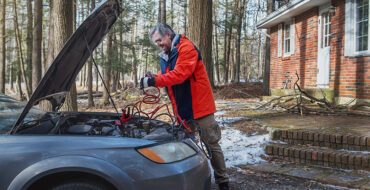
As you know, your vehicle’s battery lasts only three to five years. Use your multimeter to measure your battery’s voltage. If your car battery has above 12 V of charge, it’s still healthy. Below this, and you risk damaging your alternator.
Therefore, if your battery falls within the three-to-five-year window, check it periodically throughout the winter to make sure you don’t find yourself with a dead battery in the middle of nowhere.
Check Your Fluids
Two important fluids should get a second look this year.
Windshield washer: Windshield washer fluid manufactured for the summer has detergents and other ingredients that help remove smashed bugs from your windshield. Winter windshield washer fluid, though, contains antifreeze to help defrost your windshield. However, you can sometimes find all-season windshield washer fluid, which works well all year.
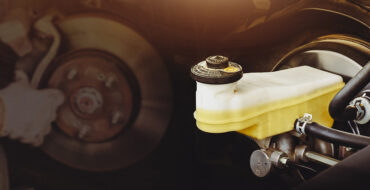
Engine oil: Ensure that the engine oil you use for your fall oil check will hold up in the winter. Engine oil can become too thin in the summer and too thick in the winter, potentially leaving you with engine problems.
Don’t Ignore the Temperature
It doesn’t take long for a meme to travel around social media of a man sunbathing in the winter in his shorts and lumberjack shirt. Canadians take pride in their tolerance of the cold.
But make no mistake: the cold can bite hard and fast when your battery dies and you have to wait for help. Prepare your vehicle before our coldest season of the year hits. Not only will it make your ride safer and more comfortable, but it’ll also increase your chances of surviving an emergency.
For more information on how to prep your car for the winter, visit your local NAPA Auto Parts store, and one of our friendly staff will be happy to help you.
 Author:
 No comments