
When your vehicle’s cooling and heating system fails, the results can range from uncomfortable to dangerous. In cold Canadian weather—where winter driving already tests your car’s limits—knowing how to respond when your engine overheats or your heater stops working can save you from breakdowns, costly repairs, and unsafe driving conditions. Here’s an essential guide to recognizing the warning signs, responding safely, and preventing long-term damage.
What to Do When Your Coolant or Heater Malfunctions
Why Coolant and Heater Problems Are Connected
Many drivers may treat the cooling and heating systems as separate systems, but they’re closely linked. Your coolant carries heat away from the engine and into the radiator, where it’s released into the air. But that same hot coolant also passes through your heater core—a mini radiator under the dash—to provide heat to the cabin.
So when your coolant is low, contaminated, or not circulating properly, the first symptoms often show up in your engine temperature or cabin heat. If your heater suddenly blows cold air or your temperature gauge creeps higher than usual, your cooling system is sending you an early warning.
Recognizing the Early Warning Signs
Coolant or heater malfunctions rarely appear without clues. Look for:
- temperature gauge rising above normal
- little or no heat from the cabin heater
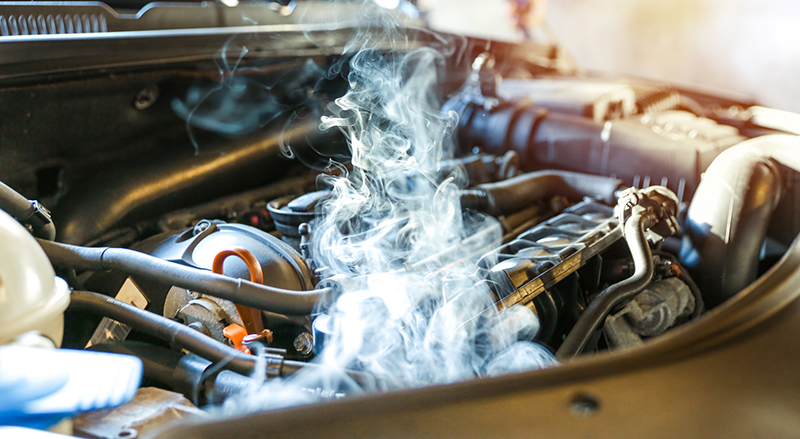
- steam or vapour coming from under the hood
- a sweet smell (coolant odour) inside or outside the vehicle
- coolant puddles under your car
- dashboard coolant or overheating warnings
- engine performance changes, such as reduced power
These early signs give you a chance to shut things down before serious engine damage occurs.
If Your Engine Starts Overheating, Pull Over Immediately
Driving while overheating is one of the fastest ways to cause irreversible engine damage. If the gauge spikes or you see steam:
- Pull over safely, turn on your hazard lights, and shut off the engine.
- Let the vehicle cool for at least 15 to 30 minutes.
- Never open the radiator cap while hot: the system is under extreme pressure.
Once the engine is cool, you can safely inspect the coolant reservoir, but your priority is to let the vehicle cool fully before touching anything under the hood.
Check Your Coolant Level (Once the Engine is Cool)
The coolant reservoir is usually a translucent plastic tank beside the radiator. When the engine is cold, the coolant should be between the MIN and MAX lines.
Here’s what different levels suggest:
- Low but visible coolant: You may have a small leak, slow evaporation, or an air bubble.
- Empty reservoir: You likely have a significant leak. Do not drive the vehicle.
- Normal level but still overheating: the issue may be a thermostat failure, radiator blockage, heater core blockage, fan issue, or water pump failure.
If you need to top up to get home, use the correct coolant type for your vehicle. If you’re unsure, distilled water can be used temporarily, but only as an emergency measure.
When Your Heater Stops Working in Winter
A heater that blows cold air despite a running engine is more than a comfort issue—it’s often a sign of coolant circulation problems. Common causes include:
- low coolant
- air trapped in the cooling system
- stuck thermostat
- blocked heater core
- faulty blend door actuator
Answer these two easy questions:
- No heat and a cold temperature gauge? Your thermostat may be stuck open.
- No heat and an overheating engine? Coolant may not be properly circulating. Low coolant or water pump issues are likely.
However, if your windshield fogs up with a sweet smell or you notice wet carpets, your heater core may be leaking, which requires immediate attention.
Check for Visible Leaks or Hose Problems
Coolant leaks often leave very clear evidence. Look for:
- bright green, orange, or pink puddles under the car
- crusty residue around radiator caps, hoses or clamps
- wet streaks on the firewall or engine bay
- moist carpet on the passenger side (heater core leak)
If you see steam or active dripping, do not touch the area until the system fully cools. If you inspect your engine, always wear protective eyewear and work gloves for safety.
Emergency Tip: Turn the Cabin Heat to Maximum
If you’re on the road and your temperature gauge starts rising, switch the heater to full heat, fan on high. The heater core acts like a small secondary radiator, pulling heat from the engine and releasing it into the cabin.
This won’t solve the issue, but it can buy you enough time to pull over safely or reach a repair shop without damaging the engine.
When It’s Safe to Drive—and When It Isn’t
Safe to drive short distances (only to a shop):
- coolant level is low but not empty
- no active leaks
- temperature gauge stabilizes after topping up
- heater works intermittently but engine temperature is normal
Do NOT drive if:
- the engine overheats repeatedly
- the coolant reservoir is empty
- you see steam, leaking coolant, or a strong sweet smell
- the temperature spikes immediately after starting
- the heater core is leaking into the cabin
An overheated engine can warp cylinder heads or damage the head gasket—major repairs that can easily cost thousands.
Get a Proper Diagnosis
If you want to check for engine codes before visiting a shop, a diagnostic code reader can provide valuable information about potential issues. A technician can quickly pinpoint the issue with:
- coolant pressure testing
- thermostat and water pump evaluation
- radiator fan and electrical checks
- heater core flow testing
- coolant quality and mixture analysis
How to Prevent Coolant and Heater Failures
Stay ahead of issues with a few simple habits:
- Check coolant levels monthly.
- Follow your vehicle’s coolant change interval (often every 5 years or 100,000 km).
- Replace aging hoses before they fail.
- Keep an eye out for coolant stains or smells.
- Flush your cooling system when recommended.
- Ensure your cabin air filter is clean for proper heater airflow.
Proactive maintenance is the easiest way to keep your engine running efficiently and your heater working when you need it most.
Keeping You and Your Vehicle Protected
Your vehicle protects you every day, and a well-maintained cooling and heating system is one of the best ways to protect it in return. If something doesn’t feel right—whether your heater goes cold or your temperature gauge climbs—don’t hesitate to get it checked. A NAPA AUTO PARTS store technician can help diagnose the issue quickly and keep your vehicle running smoothly, no matter the season.
 Author:
 No comments