Winter is behind us, but it’s possible your engine is still set up for cold weather conditions. If you haven’t completed seasonal spring maintenance, your vehicle may not be fully prepared for the heat.
Warmer temperatures change what your engine and filters need. Luckily, spring is the perfect time to reassess your oil viscosity and swap out any filters that took a beating over winter. Keep reading to see how to choose the right engine oil and oil filter for your vehicle.
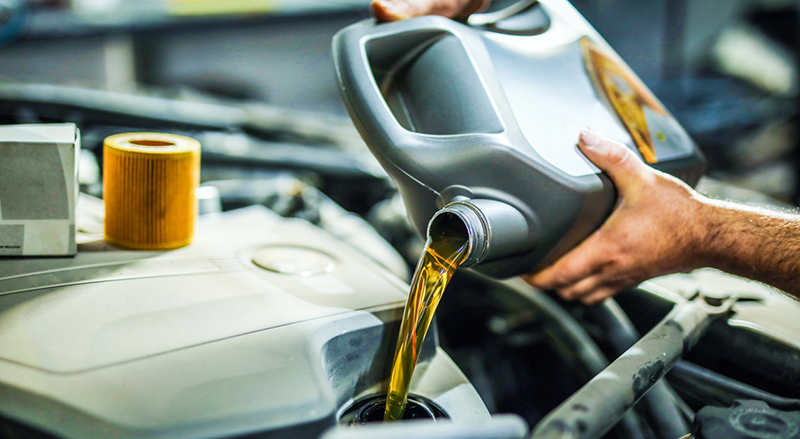
Viscosity Index of Conventional vs. Synthetic Oil
When selecting the right oil for your vehicle, look for the viscosity index (VI). Conventional oils typically have a VI between 95–100, while synthetic oils can reach up to 140. The higher the VI, the less the oil’s viscosity changes across temperatures.
In other words, when temperatures rise, conventional oils may become too thin to protect the engine, potentially causing component wear and inefficient oil pressure.
Synthetic oils resist heat-related viscosity breakdown and oxidation better than conventional, but always check your owner’s manual for exact guidance on how to pick the right motor oil for your car.
Picking the Right Oil Viscosity Grade for Summer
All motor oil has a two-number viscosity grade, like 5W-30. The “W” stands for winter, and the first number shows how well the oil flows in cold weather. The second number shows how the oil performs at your engine’s operating temperature (measured at 100°C). A lower second number means the oil is thinner at the operating temperature.
Also note that high-mileage engines can be more sensitive to heat because of the wear and tear caused by their age. Choose an oil designed for high-mileage engines.
How Summer Heat Affects Your Oil Filter
Spring is a natural “refresh” period. Since you’re already changing windshield washer fluid, switching out tires, and cleaning up the remains of winter dirt, switch out your oil and filter while you’re at it.
Heat accelerates oil degradation, which means your oil filter will trap more contaminants at a faster rate. With fresh oil and a fresh oil filter, your engine is protected heading into summer.
Use a high-quality filter made with synthetic materials, because it provides more consistent pore sizes, traps smaller particles, and holds more contaminants before the bypass valve opens. Compared to traditional cellulose (paper) filters, synthetic filters handle heat stress better and can extend engine protection up to 16,000 kilometres when paired with a quality synthetic oil.
Signs Your Oil Is Struggling in Warmer Weather
Even after a spring oil and filter change, you may need another service before the warm weather comes to an end. Here are a few important signs your engine oil needs to be changed again:
- A high engine temperature and/or low oil pressure dashboard warning light has come on.
- You smell burning oil.
- Your oil is sludgy.
Tools You’ll Need for Your Spring Oil and Filter Change
Before you get started on your routine oil and filter change, make sure you have everything on hand:
- drain pan
- oil filter wrench
- funnel
- gloves
- fresh oil: correct grade and quantity
- fresh oil filter
- new crush washer (also known as a drain plug gasket)
Having everything ready before you start makes the job faster and cleaner. If your vehicle has an oil life monitor, be sure to reset it. Many require manual resetting.
A quick oil and filter change every spring sets your engine up for a comfortable, efficient summer. For more guidance on replacing filters and inspecting fluids or choosing the right motor oil for your vehicle, visit your local NAPA Auto Parts store to speak with one of our automotive experts. You can also browse our wide selection of motor oil products at www.NAPACanada.com.


 Author:
 No comments