Batteries have a habit of failing at the worst possible moment. You’re running late, it’s cold out, maybe you’re even in a parking lot, and when you turn the key… nothing. Maybe a weak click, if you’re lucky.
The good news is that a drained battery doesn’t always mean a ruined day. In many cases, you can take clear to keep moving and prevent the issue from coming up again.
Here’s what to do when your vehicle’s battery drains or fails, and how to tell when it’s time for a replacement.
Step 1: Recognize the Warning Signs
Battery issues rarely happen without warning. Common signs of a draining or failing battery include:
- slow engine cranking or delayed start
- dim headlights or interior lights
- electrical features behaving erratically
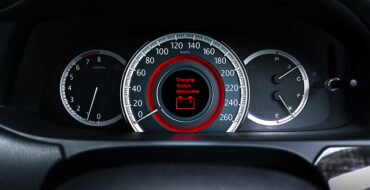
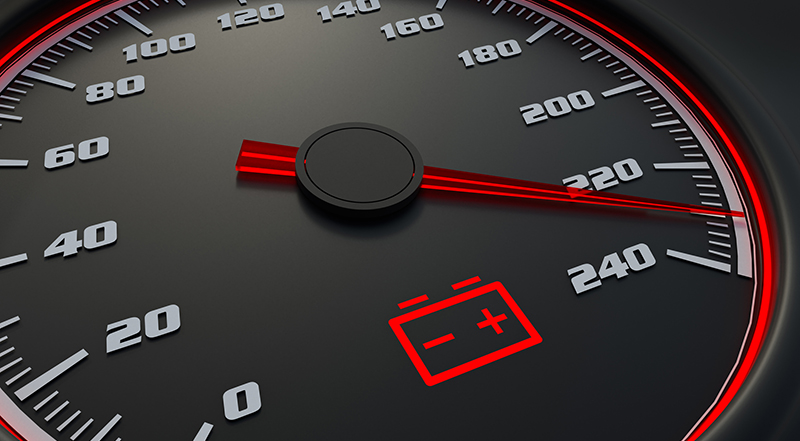
- dashboard battery warning light
- clicking sound when turning the key
Cold Canadian winters can amplify these symptoms, because low temperatures reduce battery capacity and make engines harder to start.
Step 2: Check for Obvious Cases
Before assuming the battery is fully dead, take a moment to look for common drains:
- headlights, dome lights, or trunk lights left on
- phone chargers or accessories plugged in overnight
- a door, hood, or trunk not fully closed
If the battery drained due to a simple oversight, a boost may be all you need.
Step 3: Boost the Battery Safely
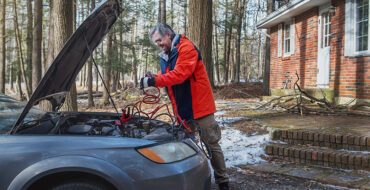
If you have jumper cables and access to another vehicle (or a portable booster pack), you can often restart your car safely.
Basic boosting tips:
- Make sure both vehicles are turned off.
- Connect the positive (+) clamp to the positive terminal first.
- Attach the negative (-) clamp to a metal ground, not the dead battery.
- Start the boosting vehicle, then try starting your car.
Once running, let the engine run for at least 20–30 minutes to help recharge the battery. Then, go for a 15- or 20-minute drive. Keep in mind, however, that a severely drained or aging battery may not hold that charge.
Step 4: Decide Whether the Battery is Recoverable
Not every dead battery is a bad battery. Ask yourself:
- Is the battery less than three years old?
- Was the drain caused by lights or accessories being left on?
- Does the vehicle start again after being boosted?
If the answer is yes, your battery may still be usable. If the battery continues to struggle or won’t hold a charge, it’s likely nearing the end of its life.
Step 5: Test the Battery and Charging System
One of the most important steps is professional testing. Many drivers replace batteries unnecessarily when the real issue is the alternator or starter.
At NAPA Auto Parts, battery and charging system testing can help identify:
- weak or failing batteries
- alternator undercharging or overcharging
- voltage issues that cause repeated drains
Testing takes only a few minutes and provides clarity before you spend money on parts you may not need.
Step 6: Replace the Battery When Necessary
Most vehicle batteries last between three and five years, depending on climate, driving habits, and electrical load. If your battery repeatedly drains, struggles in cold weather, or fails testing, replacement is the safest option.
When choosing a new battery, consider:
- correct group size for your vehicle
- cold cranking amps (CCA) suitable for Canadian winters
- warranty coverage
NAPA Auto Parts carries reliable automotive batteries designed for year-round performance and offers knowledgeable support to help you choose the right one.
Step 7: Prevent Future Battery Failures
A few simple habits can extend battery life and reduce unexpected breakdowns:
- Turn off lights and accessories before shutting off the engine.
- Drive regularly, and ensure one trip is over 15 minutes. (Short trips don’t fully recharge batteries.)
- Keep battery terminals clean and corrosion-free.
- Replace batteries before they completely fail.
If your vehicle sits for long periods, a battery maintainer or trickle charger can also help preserve charge.
When to Get Help
If your vehicle won’t start even after boosting, or if battery drains happen frequently despite a new battery, it’s time for a professional inspection. Ongoing electrical issues can point to deeper problems that shouldn’t be ignored.
A dead battery doesn’t have to derail your day. With the right steps—and the right parts—you can get back on the road quickly and confidently. Visit your local NAPA Auto Parts store for battery testing, replacement options, and expert advice you can trust.


 Author:
 No comments