
When it comes to caring for your car, basic engine maintenance is an essential skill. These easy engine jobs are cheap, can be done at home, and will keep your car running longer. Here’s how you can DIY your engine maintenance and save on repairs.
Essential Engine Maintenance Tasks Every DIYer Can Handle

1. Oil Change & Oil Filter Replacement
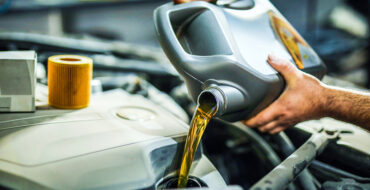
Oil keeps the engine running smoothly by lubricating parts, reducing friction, preventing overheating, and trapping dirt. Regular oil changes are crucial for engine health.
How Often Should You Change Your Oil?
Depending on your car and oil, you typically change your oil every 5,000 to 12,000 kilometers. With synthetic oil, you’re more likely to reach 12,000 km or more, but it’s best to refer to your owner’s manual for specific maintenance schedules.
To choose the correct oil, consider your vehicle’s manufacturer’s recommendations, which you’ll find in the owner’s manual. Pay close attention to viscosity rating and whether your vehicle requires conventional, synthetic, or high-mileage oil.
How Long Does an Oil Change Take?
A DIY oil and filter change can be completed in under 30 minutes using the correct tools.
What you’ll need:
You can follow these instructions to perform your oil change.
2. Check for Oil Leaks
An oil leak can lead to low oil levels and engine damage.
Where to look:
- under the oil pan
- around the valve cover gasket
- near the oil filter
- around the oil drain plug
If you notice stains where your car is parked, inspect for an oil leak and fix it early to avoid bigger problems. Many oil leaks are from worn gaskets or loose filters.
3. Spark Plug & Coil Maintenance
Spark plugs ignite the air-fuel mixture. Worn or dirty plugs can cause misfires, poor fuel economy, and engine stalling. It’s recommended to change spark plugs every 30,000–100,000 km, depending on your car and plug type. Always change spark plugs with the engine turned off and fully cooled.
DIY process:
- Remove the ignition coils.
- Unscrew the old spark plug.
- Gap and install new ones.
- Reinstall the spark plug coil.
Always replace all spark plugs together. Check coil packs for cracks or corrosion. A rough idle may indicate coil issues.
4. Replace the Engine Air Filter
The engine air filter keeps debris out of your engine. When it gets clogged, airflow drops, hurting performance and mileage. Replace the engine air filter every 12,000–24,000 km, or if it’s visibly dirty.
How to replace it:
- Locate the filter housing.
- Open clips or screws.
- Swap out the old filter.
- Re-seal the housing.
This is one of the easiest engine maintenance tasks, especially since it only requires a screwdriver and a new filter for most vehicles.
5. Check the Fuel Filter
The fuel filter screens out particles in the fuel line. A clogged filter causes hesitation, hard starts, and engine stalling. Check every 30,000–50,000 km, depending on your fuel system.
Some filters are situated within the fuel tank and require a mechanic, but others are in-line and accessible under the car. Again, your owner’s guide will have details.
6. Inspect the Cooling System
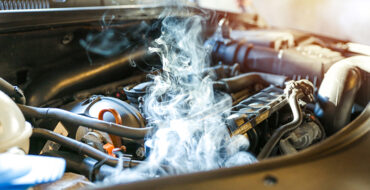
Coolant keeps your engine from overheating by absorbing heat and circulating it to the radiator. Engine overheating is one of the biggest risks of coolant neglect. Common causes of engine overheating include:
- low coolant
- blocked radiator
- faulty thermostat
- leaking hoses
How to check it:
- Look at the coolant reservoir when the engine is cold.
- Make sure the coolant level is between MIN and MAX.
It’s recommended to perform a coolant flush every 3–5 years or 50,000–100,000 km to prevent rust and scale buildup. This is a more advanced DIY process and should not be completed by someone new to DIYing their car.
7. Use a Car Engine Cleaner
This step is optional, but helpful: a clean engine clean help identify leaks early and reduce grime buildup.
How to do it safely:
- Ensure the engine is cool.
- Cover the battery, intake, wires, and any other sensitive components.
- Spray the product, following package instructions. Let it sit, and then rinse gently.
Clean engines are easier to inspect, and they run cooler.
Easy Engine Care
Caring for your engine doesn’t require a mechanic’s certification—just a bit of time, some patience, and basic tools. You can avoid major issues and prolong your engine’s life by routinely maintaining these components:
- oil & oil filter
- spark plugs and coils
- engine air filter
- fuel filter
- coolant system
- car engine cleaner
Create a habit of monthly inspections and track your mileage-based tasks. Being proactive can turn you into a confident DIYer and save hundreds in repair costs. For more advice on protecting your engine, visit your local NAPA Auto Parts store to speak with our friendly technicians.
 Author:
 No comments